
What Happens During an Emergency Sanitation Deployment?
The call comes in, we ask three questions: how many people, how long, and can a truck reach the site. That last one matters more than people think. A roll-off dumpster or restroom trailer delivery needs about 60 feet of straight clearance behind the truck, and disaster zones rarely have that clear. Downed trees, flooded driveways, collapsed fencing. We work around it, but it slows the first drop.
For a shelter, church hall or evacuation staging area in San Marcos, we lean on standard portable toilets first because they deploy fast and need no hookup. If the displaced population is large or the stay runs past a few days, we scale up to a restroom trailer, sometimes a 4 stall restroom trailer or larger, plus a handwashing station bank near any food service point. OSHA 1926.51(a)(1) requires an adequate supply of potable water at any place of employment, and that standard does not pause because the situation is an emergency. Relief workers and volunteers are covered the same as any crew.
We also bring temporary fencing when a site needs to keep foot traffic off unstable ground or separate a staging yard from the public. A light tower or temporary power pole often goes out with the same load, since disaster sites frequently lose grid power before anything else.
How Many Portable Toilets Does a Shelter Need?
Sizing follows the same OSHA math used on any jobsite: 1926.51(c) sets 1 toilet facility per 20 workers, then 1 toilet and 1 urinal per 40 workers from 20 up, then 1 per 50 once you pass 200. A shelter isn't a construction crew, but sheltered residents and the volunteers running the site both need working sanitation, and we plan both counts. Our how many porta potties do I need guide walks through the same ratios if you want to run the numbers yourself before we arrive.
ADA Standards 213.2 requires that where single-user units are clustered, at least 5 percent be accessible, never fewer than one. Disaster sites are not exempt just because the setup is temporary, and we stock ADA accessible units for exactly this. ADA 405.2 also caps ramp slope at 1:12, which matters on the plywood ramps crews build fast around flooded or uneven ground.
| unit | duration | typical price |
|---|---|---|
| standard | day | $150 |
| standard | week | $200 |
| ada | day | $230 |
| trailer | day | $800 |
These are typical figures from measured rental data, not emergency-specific quotes; call for site-specific pricing once we know scope. For a longer-running relief operation, our monthly porta potty rental page and porta potty rental cost breakdown both apply once the response shifts from emergency to sustained.
Can You Deploy Fast Enough for an Active Emergency?
Yes, and proximity helps. San Marcos Porta Pros already routes trucks through Lake San Marcos, 3.2 miles west, Elfin Forest, 6.8 miles south, and Harmony Grove, 6.9 miles southeast, as part of normal service, so a disaster call in any of those areas isn't a special trip. Del Dios sits 8.8 miles southeast and Poway 17.6 miles southeast, both still within a workable response radius. Check emergency porta potty rental for how we prioritize urgent orders ahead of standing routes.
Water damage sites often need septic support too. If a septic system backs up during flooding, emergency septic service and septic pumping service can run alongside the restroom deployment, and a typical residential tank gets pumped every 3 to 5 years under normal conditions, a schedule flood intrusion can throw off fast. If solids are visibly backing up, our septic tank warning signs page covers what to watch for before it becomes a bigger failure.
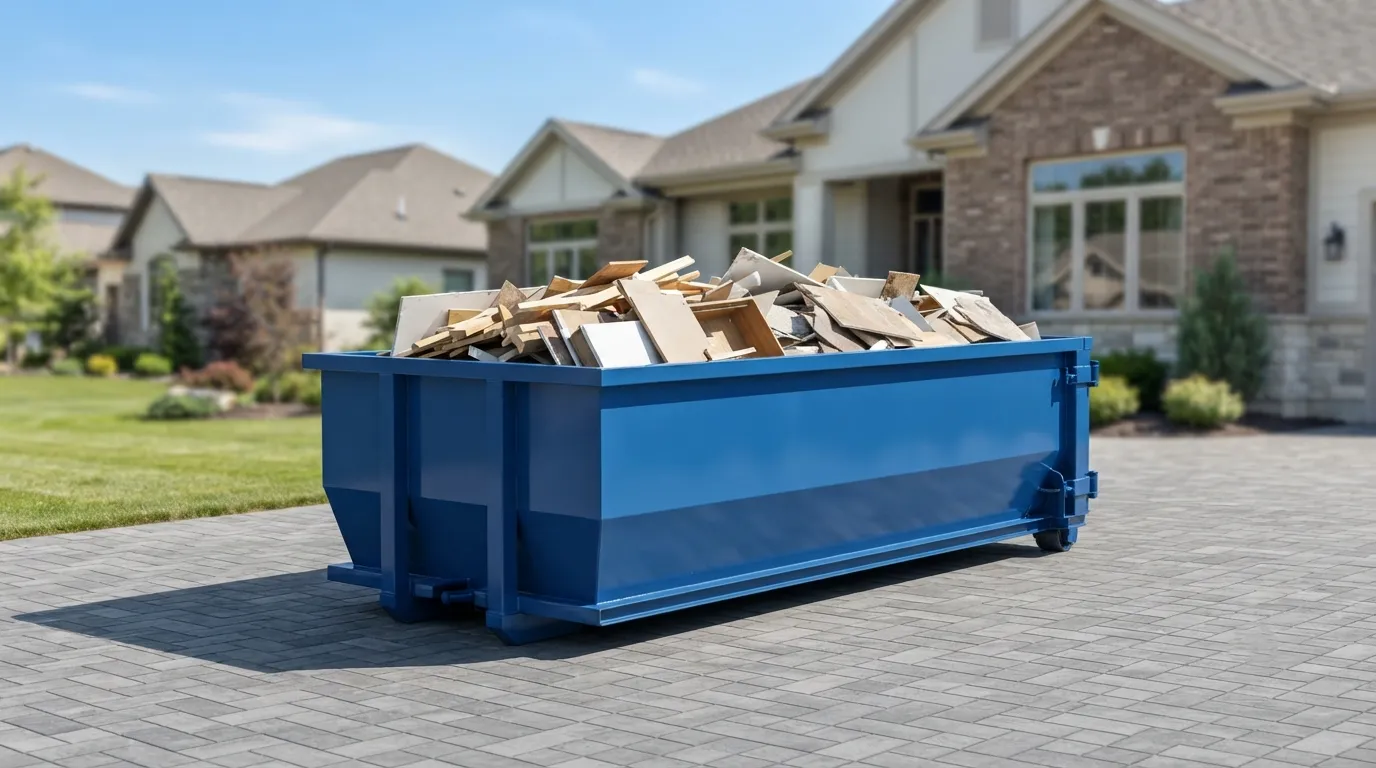
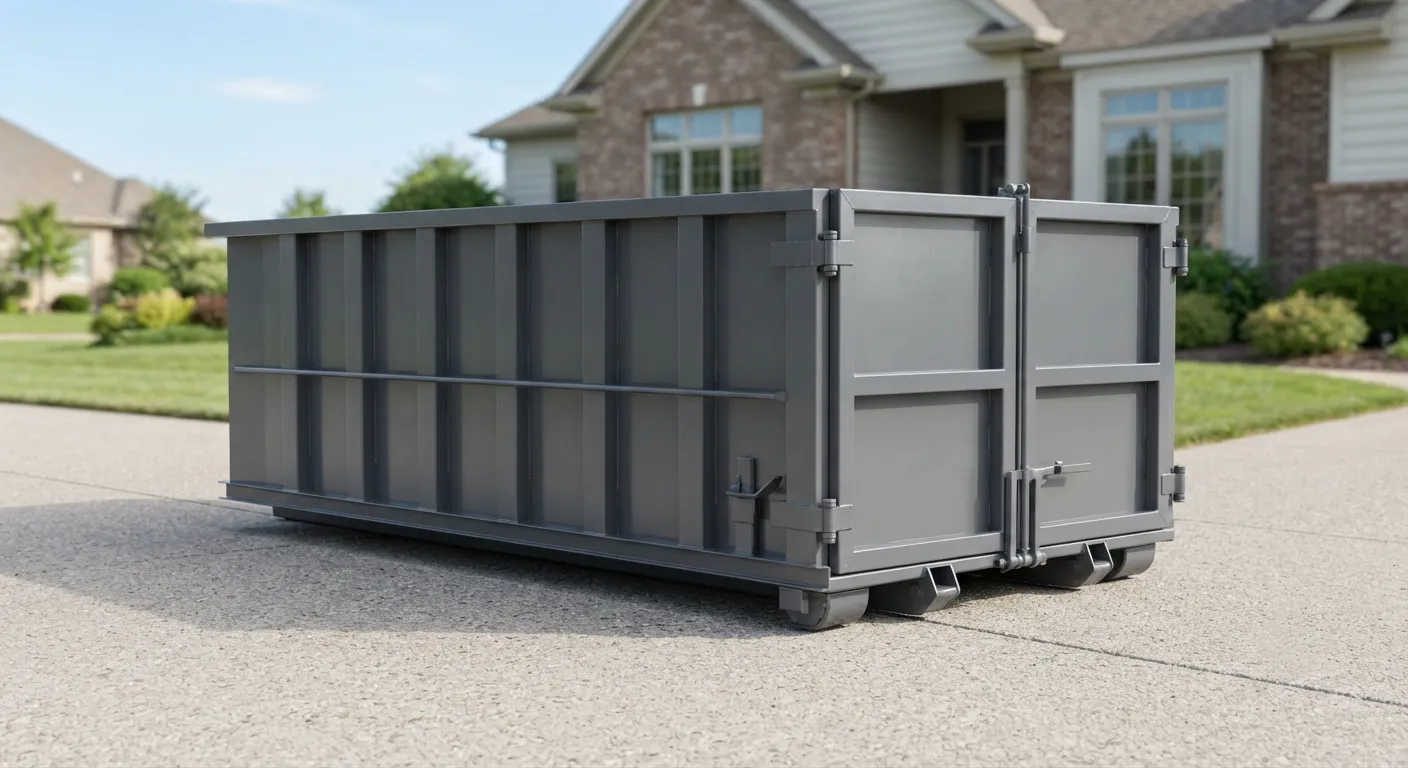
For debris cleanup after the immediate crisis passes, a construction dumpster or 20 yard dumpster usually follows the sanitation drop within a day or two, and storage container rental covers displaced equipment or salvaged belongings in the meantime.
Frequently asked questions
How fast can you get units to a disaster site in San Marcos?
Most standard deliveries move within the same day once we confirm site access and unit count. Downed trees or flooded roads can add delay. Call ahead with an address so we can route around known closures before the truck leaves the yard.
Do you require a signed contract before emergency delivery?
No. Verbal authorization gets units moving, with paperwork following once the immediate need is met. We still confirm quantity, duration and a site contact by phone, since that call determines whether standard or ADA units go out first.
What if the site has no clear access for a delivery truck?
We adapt the load and sometimes hand-carry units the last stretch. A roll-off or trailer needs roughly 60 feet of straight clearance behind the truck, but standard portable toilets can go in tighter spots. Tell us about obstacles when you call.
Can you provide handwashing stations without a restroom order?
Yes. Standalone handwashing station rental or portable sink rental works for food distribution points or medical triage areas that already have restroom access nearby but need washing separately.
Do disaster relief orders cost more than standard rentals?
Pricing follows the same bands as any rental; there's no disaster surcharge built in. Rush delivery outside normal routes can affect the delivery fee, so ask directly when you call so the quote matches your situation.
Next step
Get a delivery date
Tell us the address, the dates and the headcount. We size the order and confirm the route.